
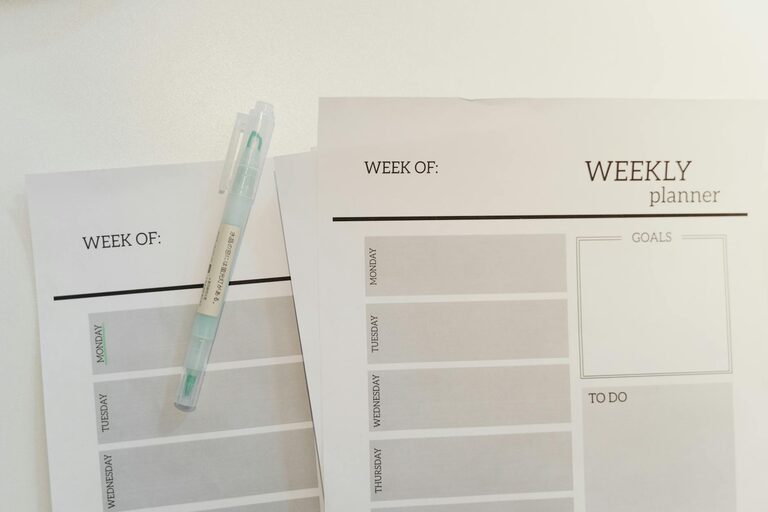
Setting realistic weekly goals can be a game changer when it comes to staying productive and motivated. Instead of overwhelming yourself with vague ambitions or impossible targets, focusing on manageable objectives helps you make steady progress and build confidence. In this post, we’ll explore practical steps to set weekly goals that are both achievable and meaningful.
Why Set Weekly Goals?
Weekly goals break down larger projects and dreams into smaller, actionable steps. This approach makes big tasks less daunting and provides regular opportunities to celebrate achievements. Weekly planning also enhances your time management by encouraging you to prioritize tasks and allocate your efforts effectively.
Step 1: Reflect on Your Priorities
Before setting your weekly goals, take a moment to review your overall priorities. What are the most important areas of your life right now? This might include work projects, personal development, family time, or health.
– Write down your main areas of focus.
– Consider deadlines and upcoming events.
– Think about what goals align with your long-term plans.
Step 2: Review the Previous Week
Look back at the past week to understand what worked well and what didn’t.
– Which goals did you accomplish?
– Were there any obstacles or distractions?
– Did you overcommit or underestimate any tasks?
This reflection helps you set more realistic goals based on your actual pace and capacity.
Step 3: Choose Specific and Measurable Goals
Goals should be clear and measurable to track progress effectively. Instead of saying, “Exercise more,” try “Walk for 30 minutes on Monday, Wednesday, and Friday.” Specific goals help you focus and know exactly what success looks like.
Tips for setting specific goals:
– Use action verbs like “write,” “call,” “organize,” or “plan.”
– Define a quantity, duration, or deadline.
– Make sure the goal addresses a particular outcome.
Step 4: Break Down Larger Goals Into Smaller Tasks
If a weekly goal feels too big, divide it into smaller, manageable steps. For example, if your goal is to create a presentation, your tasks might be:
– Research topic on Monday
– Draft slides on Tuesday and Wednesday
– Practice presentation on Thursday
– Final review on Friday
Breaking goals down prevents overwhelm and keeps you motivated by showing steady progress.
Step 5: Be Realistic About Your Time and Energy
It’s important to be honest about how much you can accomplish. Don’t fill your week with too many goals or overly ambitious tasks. Consider:
– Your work schedule and personal commitments
– Energy levels on different days
– Buffer time for unexpected events
Aim for a balance between challenging yourself and maintaining wellbeing.
Step 6: Prioritize Your Weekly Goals
Not all goals have the same level of importance. Use a prioritization method like the Eisenhower Matrix (urgent vs. important tasks) to decide which goals need your immediate attention.
– Focus first on goals that are both urgent and important.
– Schedule less critical goals for later or adjust as needed.
Step 7: Write Down Your Goals
Commit your weekly goals to paper, a planner, or a digital app. Writing them down increases accountability and makes it easier to revisit and adjust your plans.
– Use a dedicated notebook or a productivity tool like Trello, Asana, or Google Keep.
– Review your goals daily or at the start of each day.
Step 8: Monitor Your Progress Regularly
Throughout the week, check your progress and adjust if necessary.
– Mark completed tasks off your list.
– If certain goals aren’t progressing, reassess if they are realistic or need to be postponed.
– Use progress tracking to stay motivated.
Step 9: Celebrate Achievements
Recognize and reward yourself for meeting your weekly goals, no matter how small. Celebrating wins encourages you to keep moving forward and builds positive habits.
Simple ways to celebrate:
– Take a break you enjoy
– Share your success with a friend
– Reflect on what went well
Step 10: Plan for the Next Week
At the end of each week, spend a few minutes planning the week ahead based on what you learned. Continuous improvement helps you refine your goal-setting process and makes your planning more effective over time.
—
Final Thoughts
Setting realistic weekly goals is a practical approach to getting more done with less stress. By focusing on your priorities, being specific, breaking down tasks, and monitoring progress, you create a clear roadmap for each week. Remember to be kind to yourself and adjust as you go — the goal is steady progress, not perfection.
Try applying these tips to your next week and see how it helps you stay productive while feeling balanced and motivated. Happy goal setting!